Advanced extrusion technology, selected aluminium alloys and strict process control for high-quality aluminium profiles.
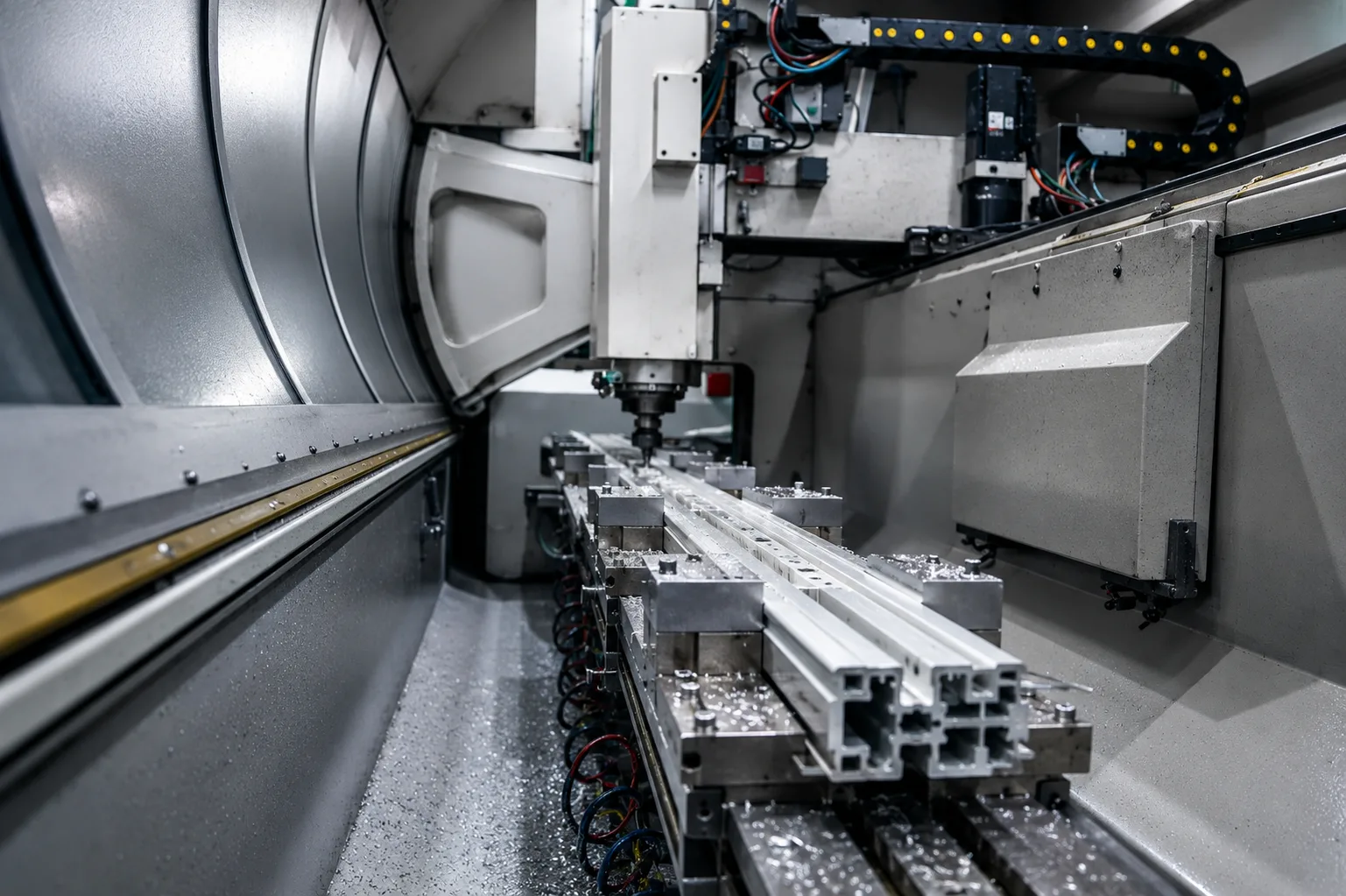
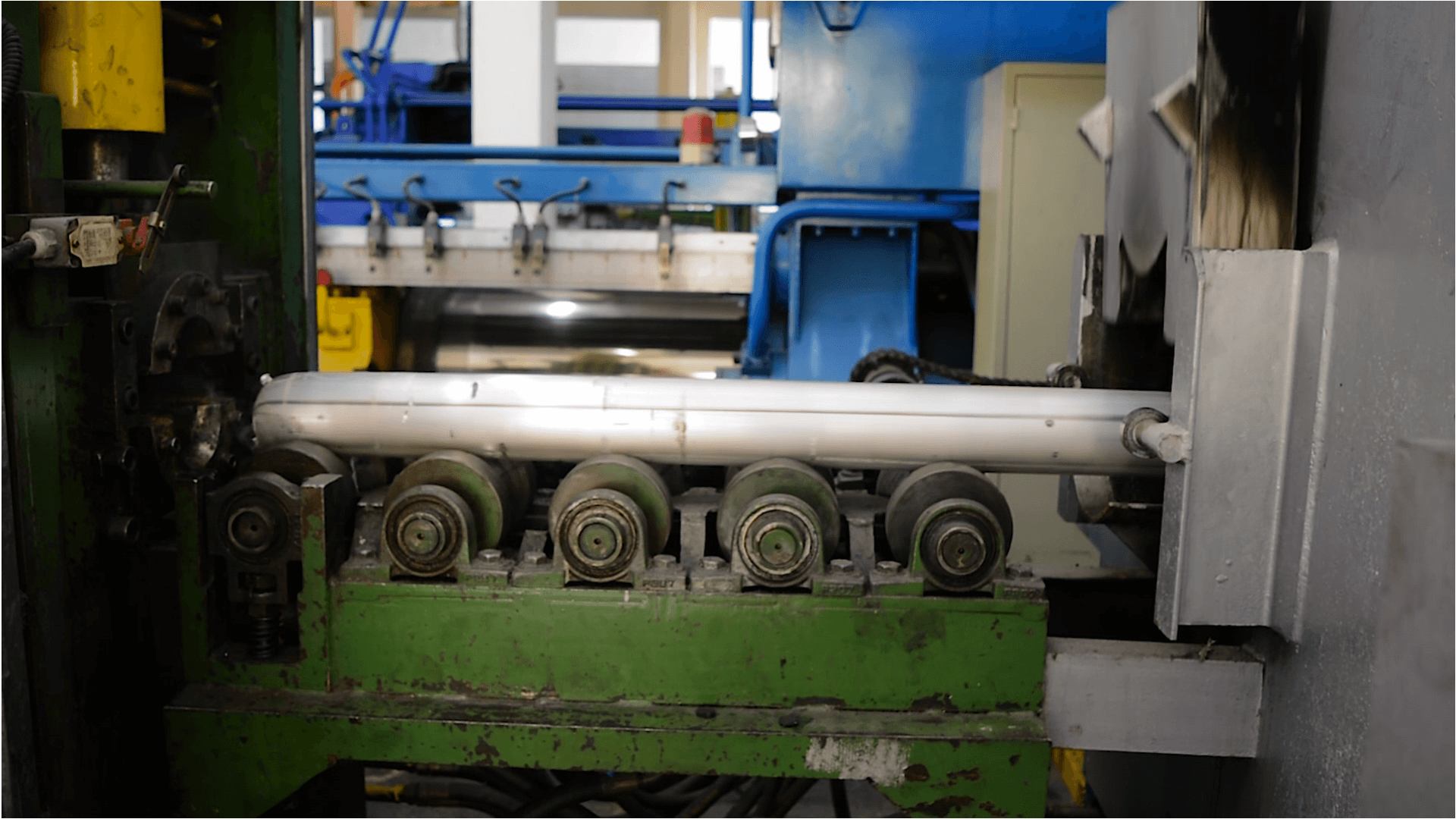
Extrusion represents the starting point of PESPA's closed manufacturing cycle. Equipped with 1850T and 1250T extrusion presses, we manufacture aluminium profiles for architectural systems, structural applications, industrial components and customised solutions, ensuring greater control over quality and production planning. These profiles are further processed for welded and assembled products, supporting a wide range of finished applications.
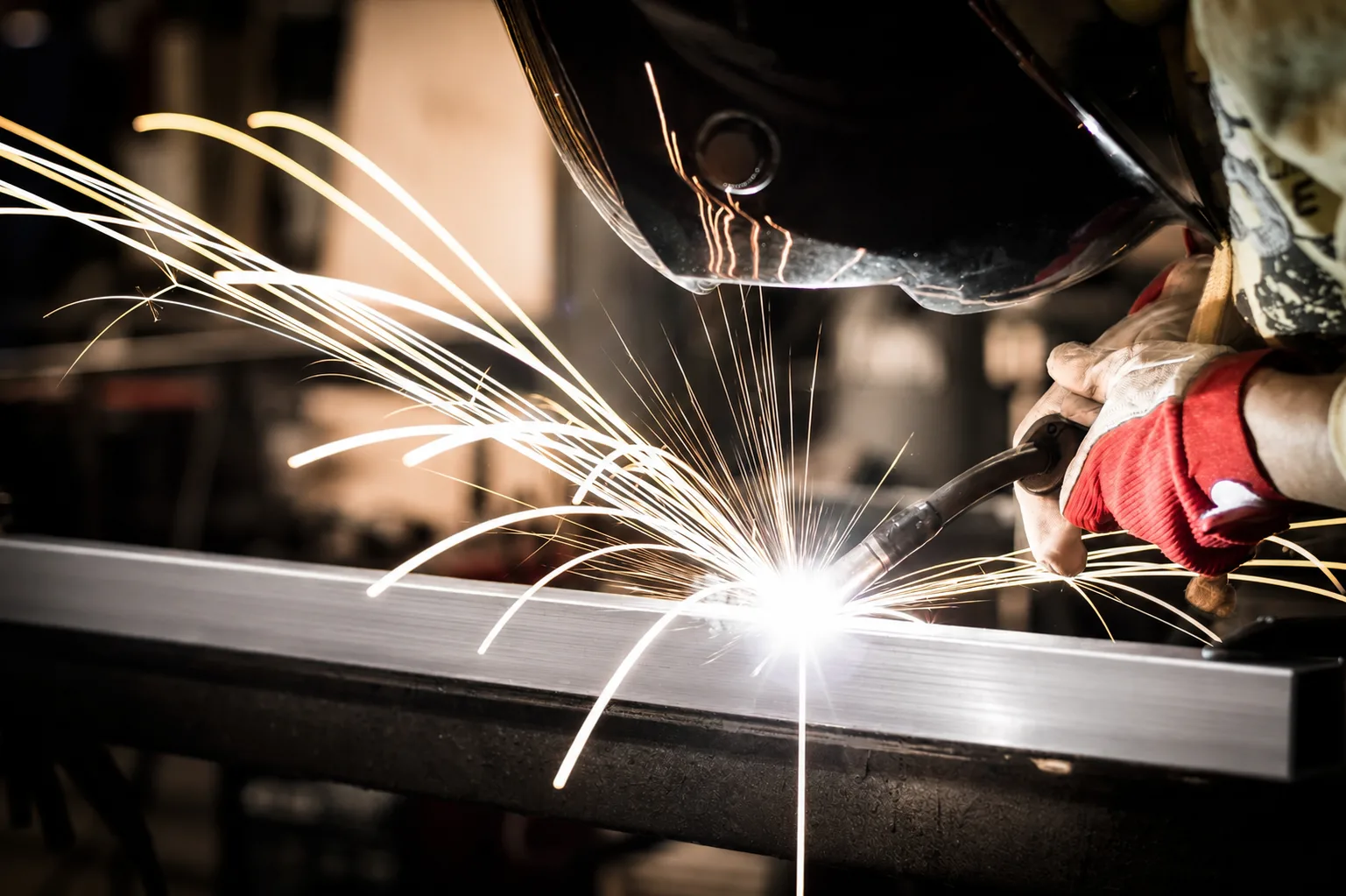
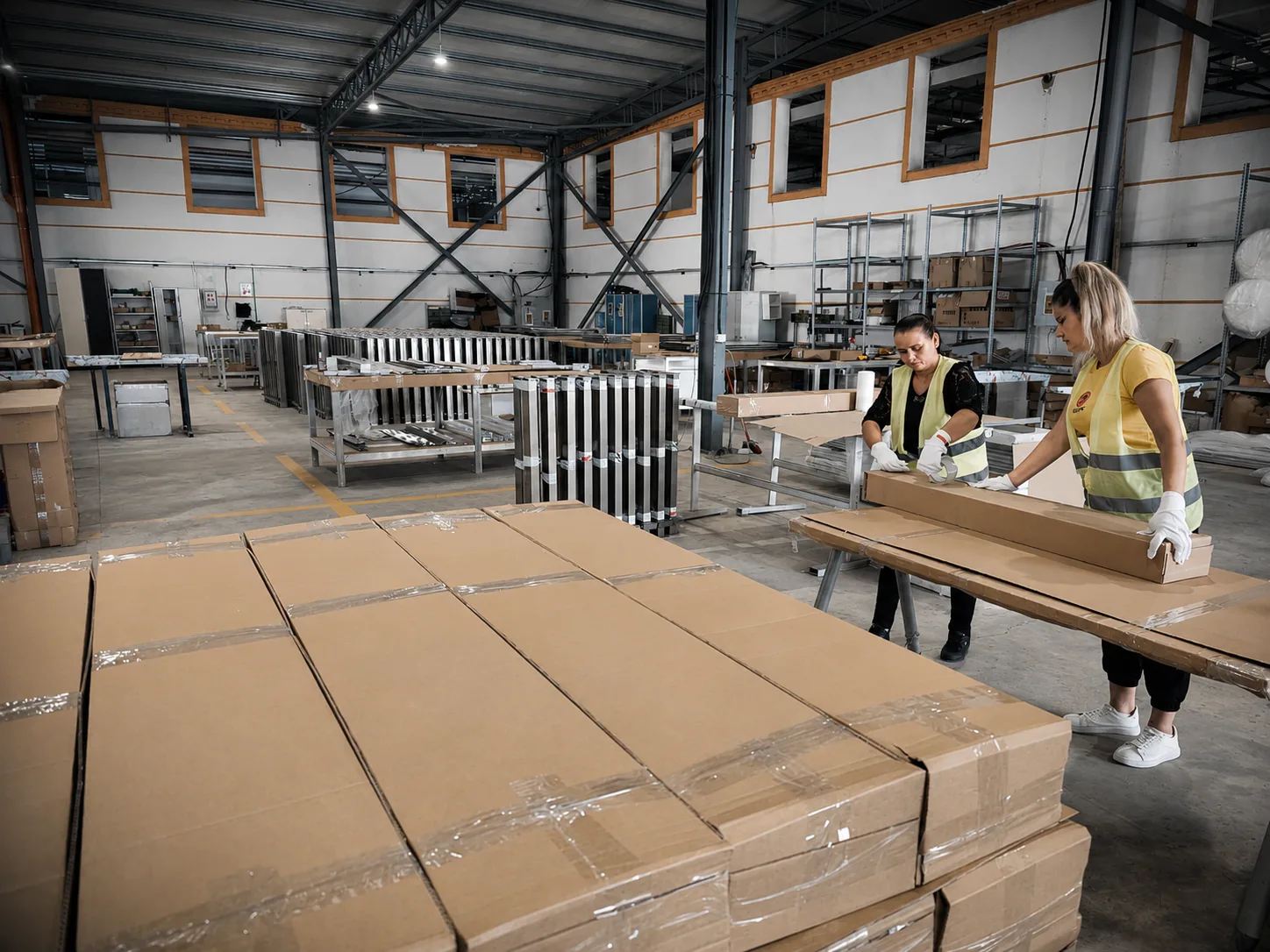
These profiles are further processed into welded and assembled aluminium solutions, supporting a wide range of finished applications including façades, curtain walls, railings, balconies, solar structures, doors, windows and other architectural systems, as well as aluminium structures for villas, residential developments, hospitality projects and customised architectural solutions.
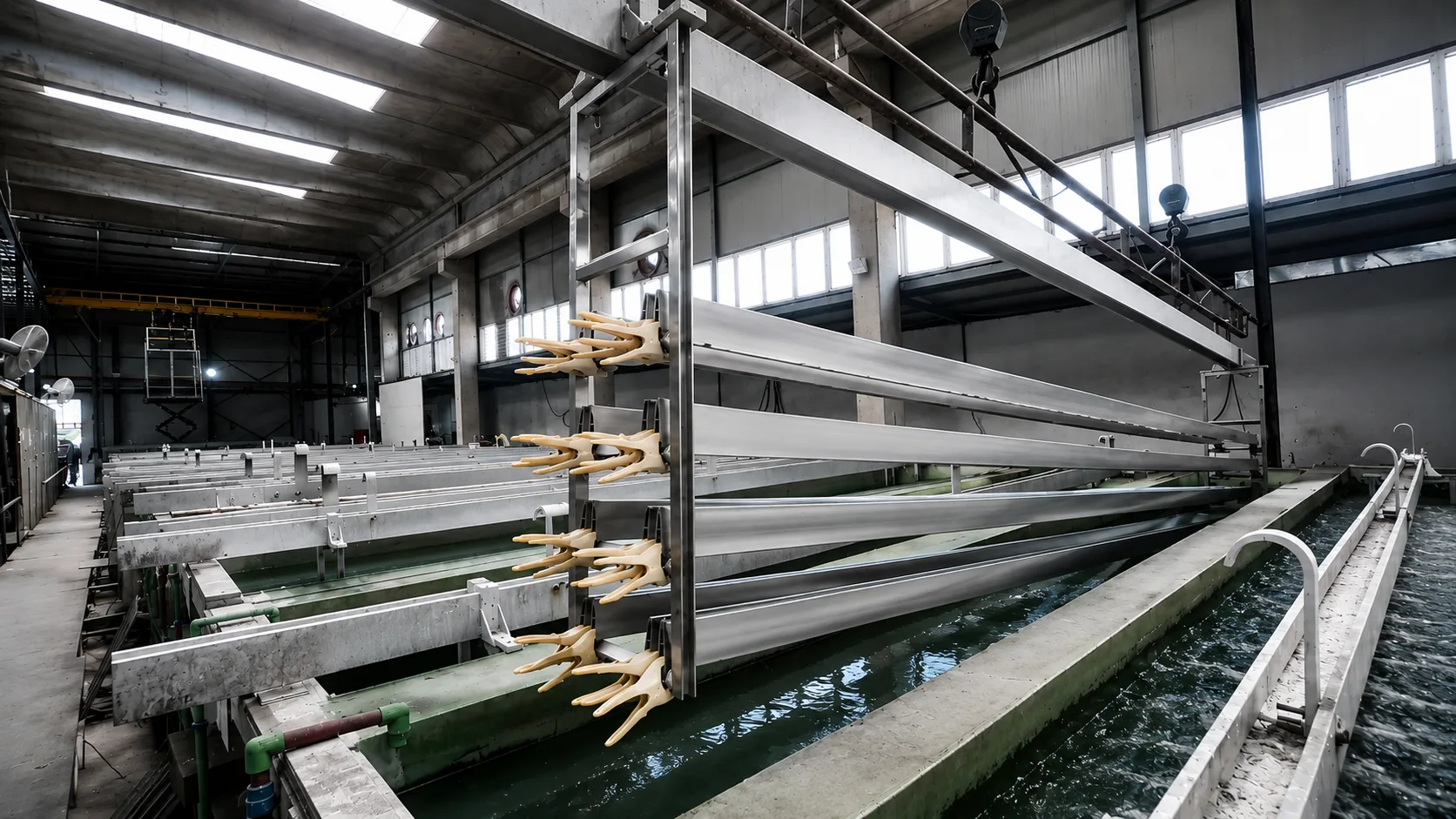
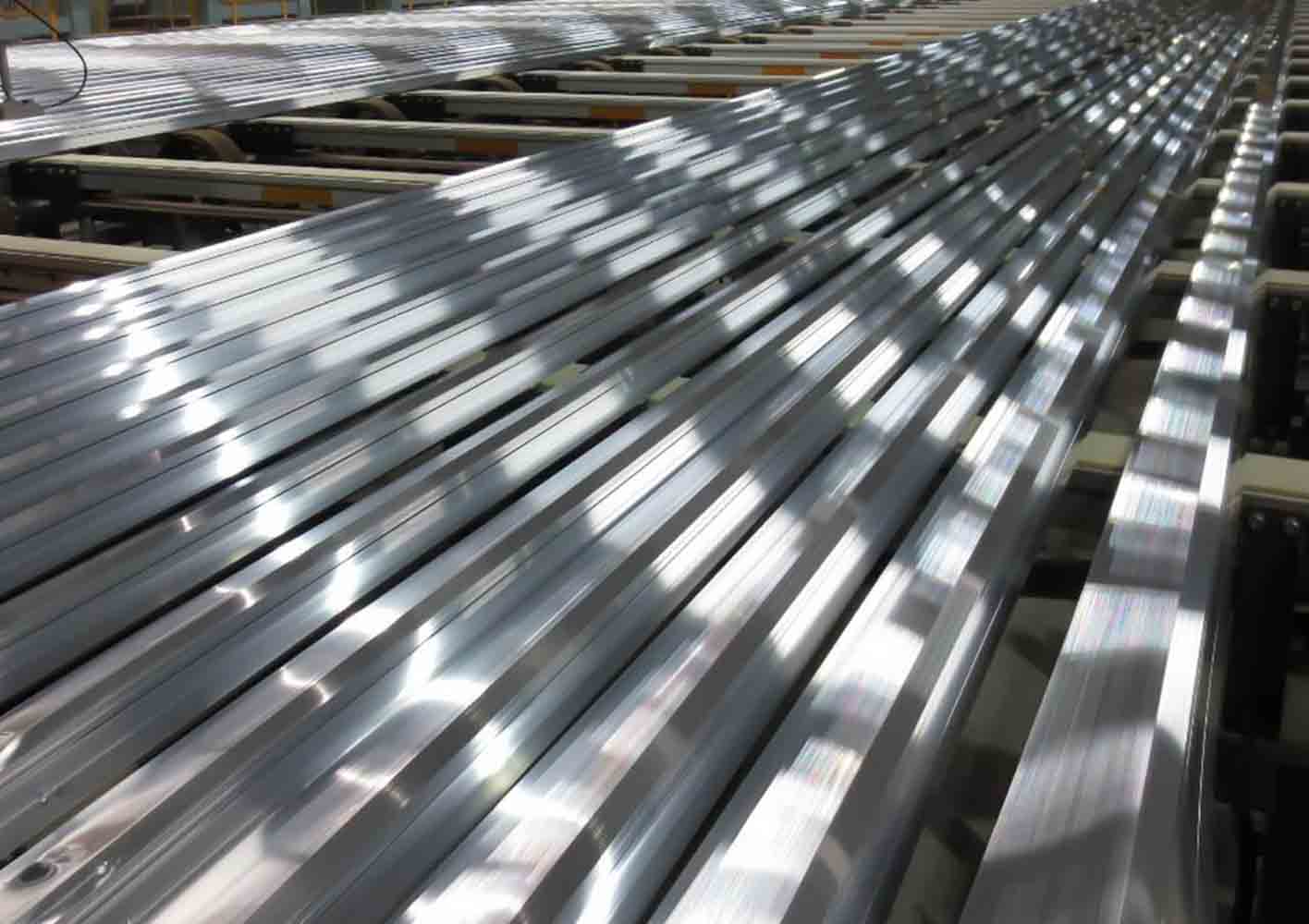
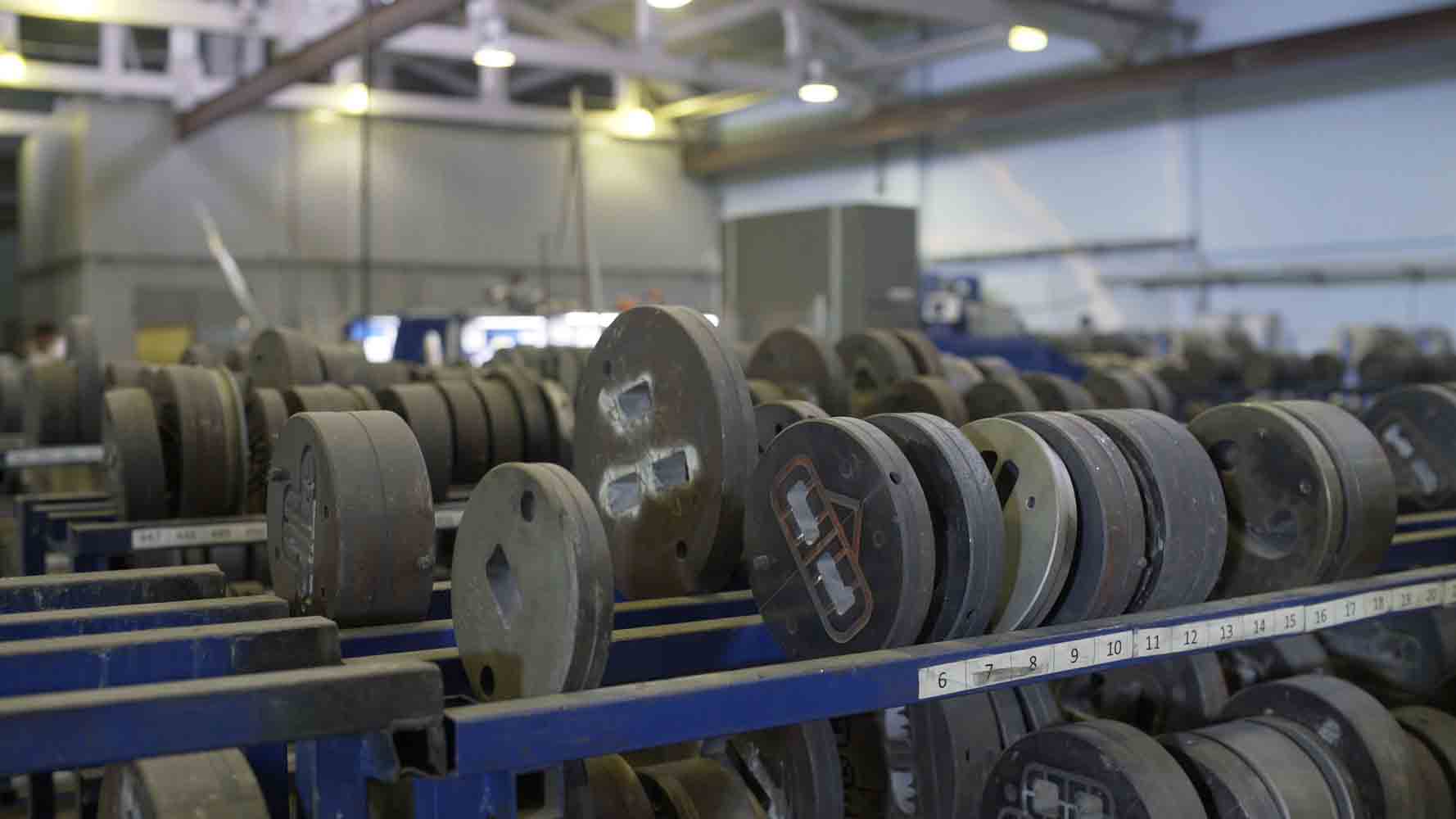
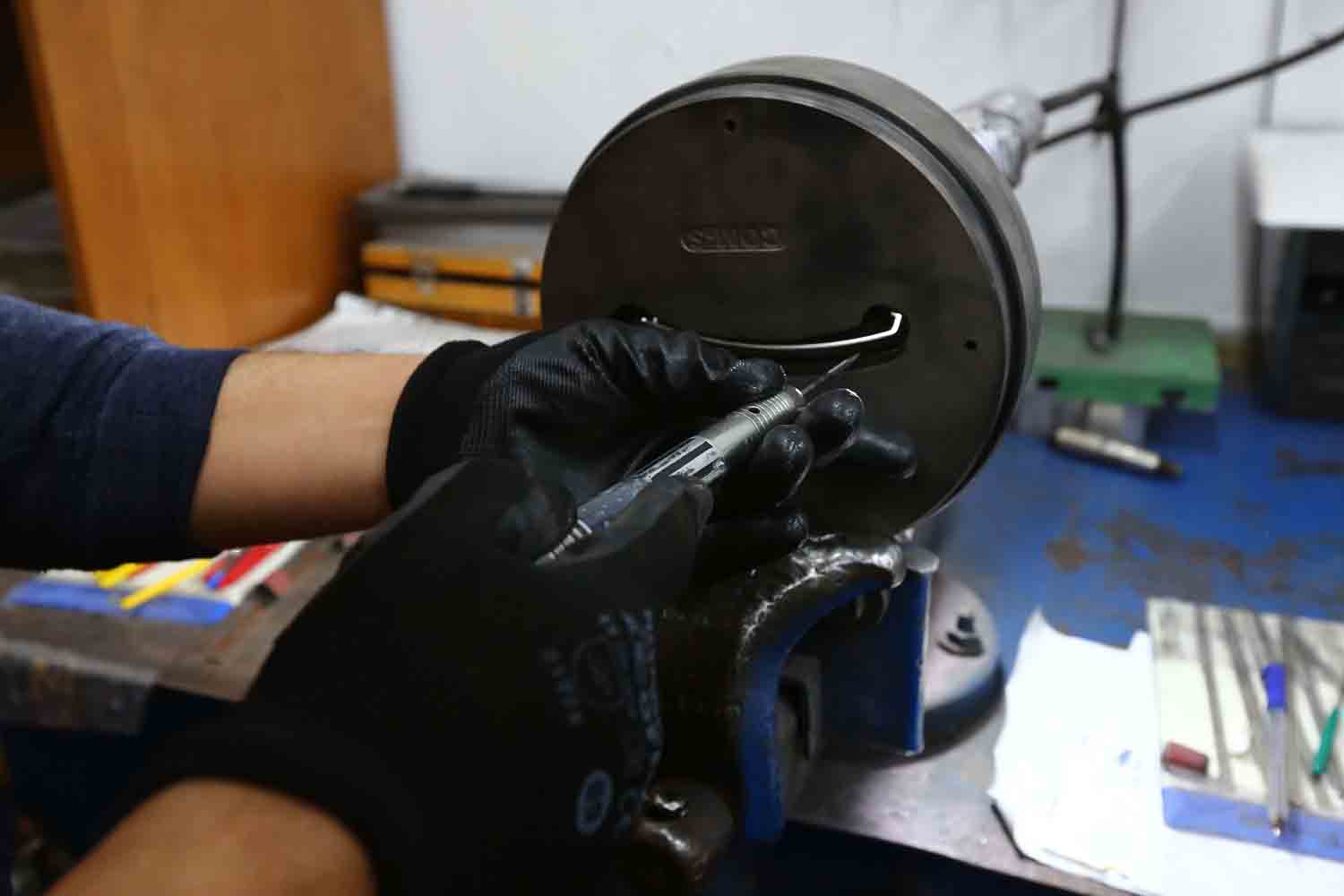
The 1850T extrusion press manufactures medium and large aluminium profiles for demanding architectural, structural and load-bearing applications. Combined with an extensive range of extrusion dies and specialised tooling, it enables the production of complex profile geometries with high dimensional accuracy, excellent mechanical performance and superior surface quality, making the profiles particularly suitable for anodizing and also for powder coating.
The 1250T extrusion press is dedicated to the production of small aluminium profiles and optimised profile lengths, offering greater flexibility for customised projects and components used in semi-finished and finished products. It supports architectural systems, industrial applications and aluminium solutions requiring subsequent welding and assembly operations.This capability enables the efficient production of both standard and project-specific profiles while ensuring manufacturing flexibility, dimensional accuracy and consistent quality.
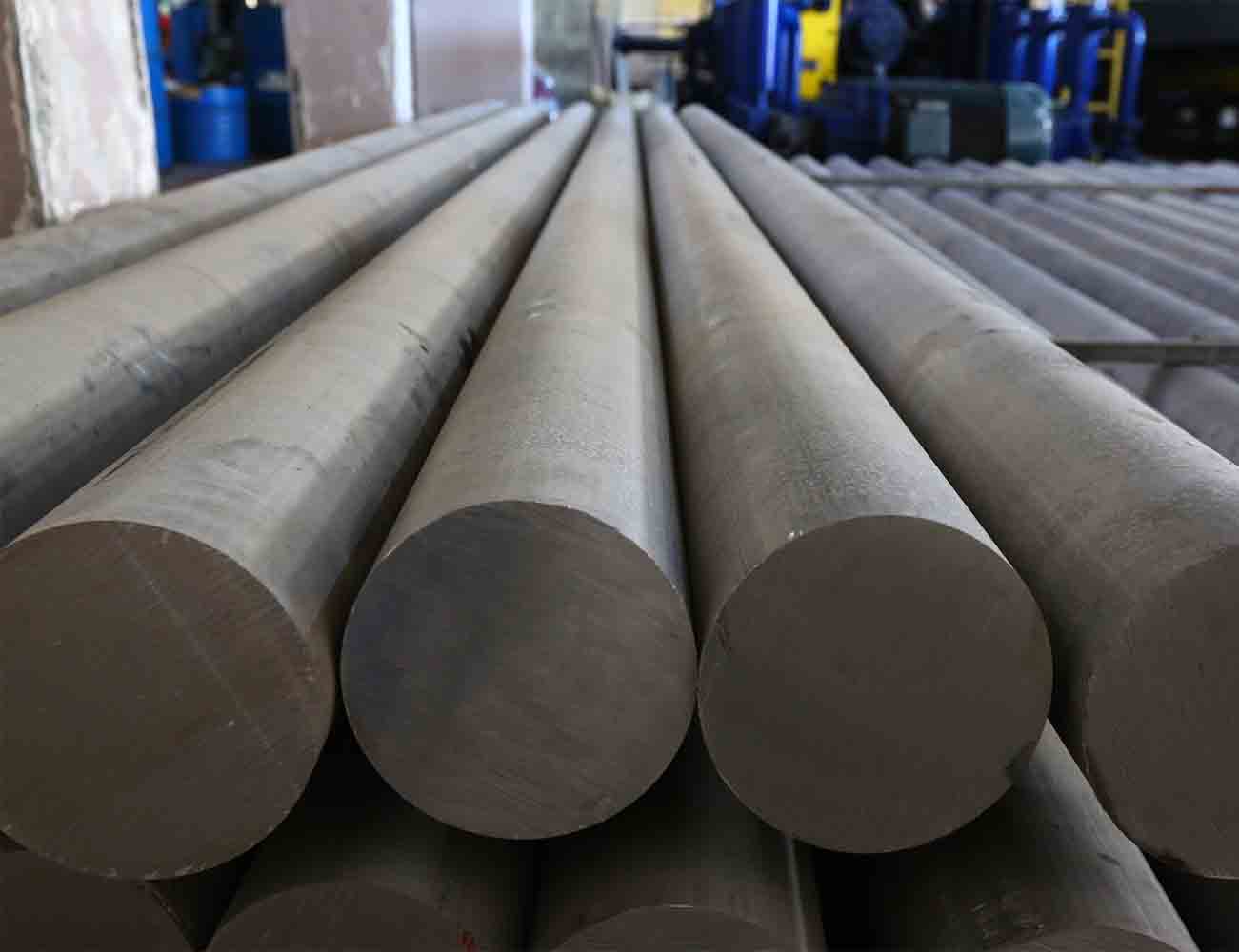
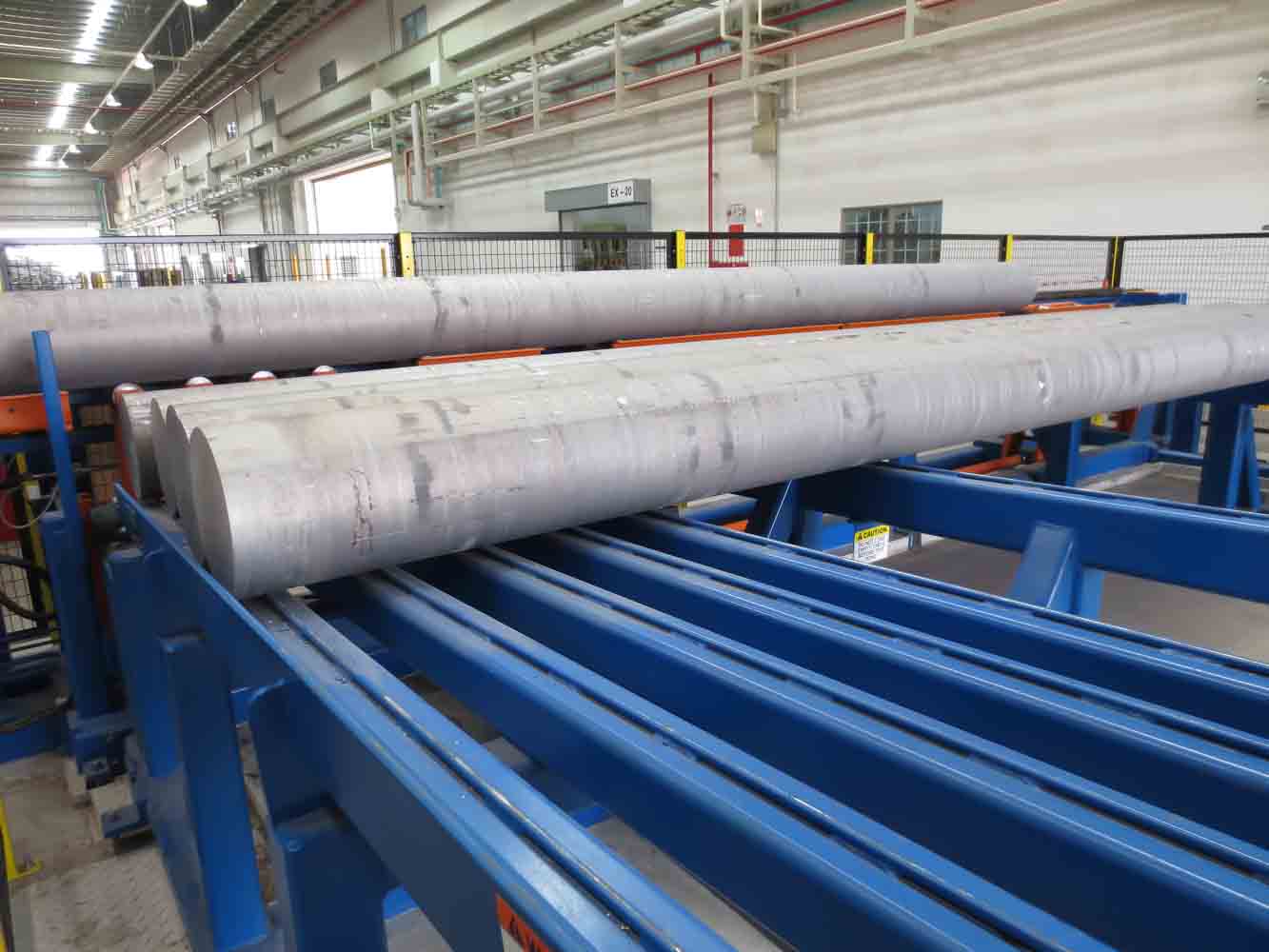
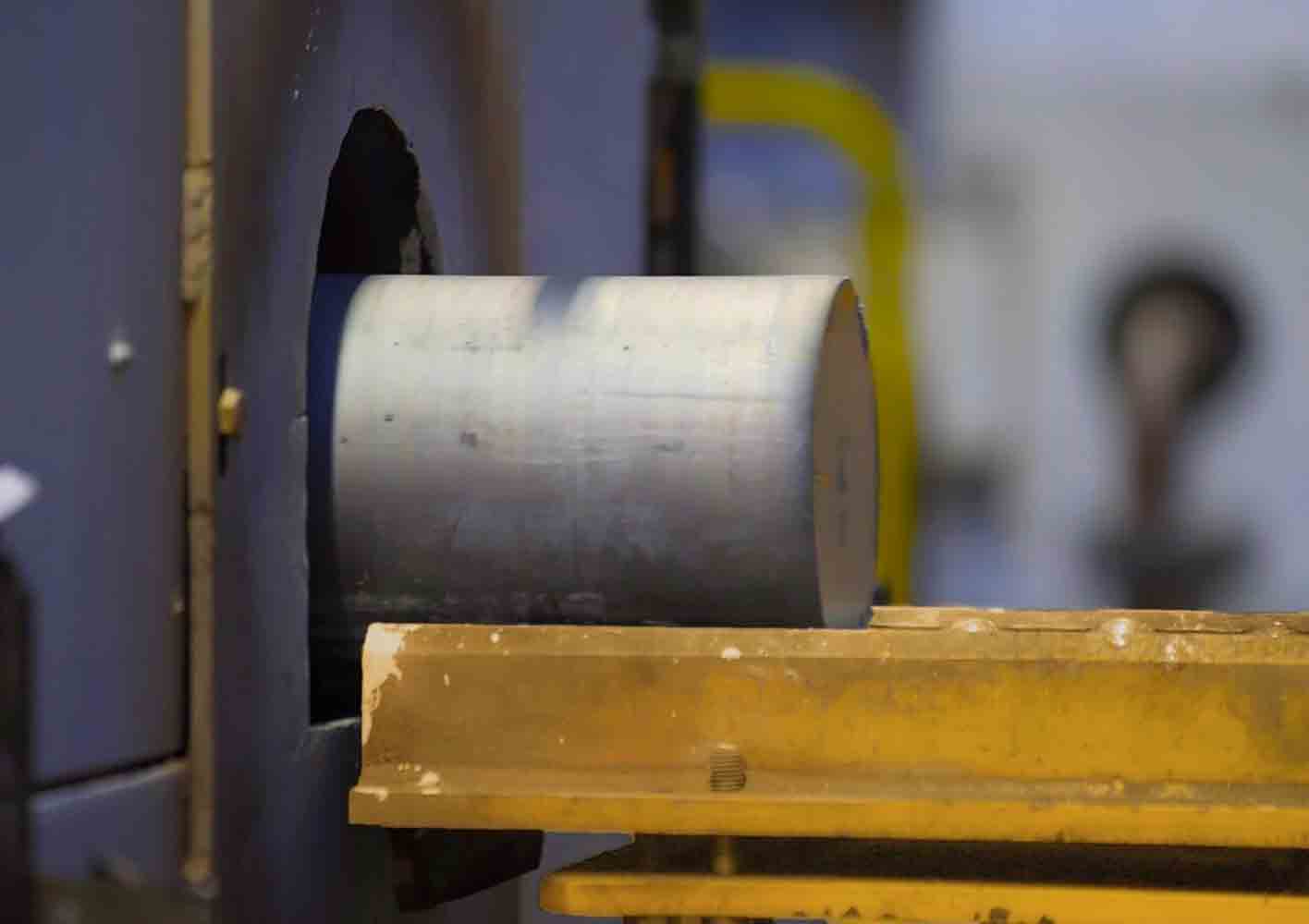
PESPA exclusively uses primary aluminium billets to ensure consistent material quality, reliable mechanical performance and long-term durability. Depending on project requirements and the intended application, production is carried out using EN AW 6060, 6061, 6063 and 6082 alloys, selected according to structural requirements, mechanical properties, corrosion resistance and surface finishing specifications. These alloys support a wide range of applications, including architectural systems, aluminium structures, renewable energy solutions, industrial components and customised engineering projects, ensuring the most appropriate material characteristics for every application.
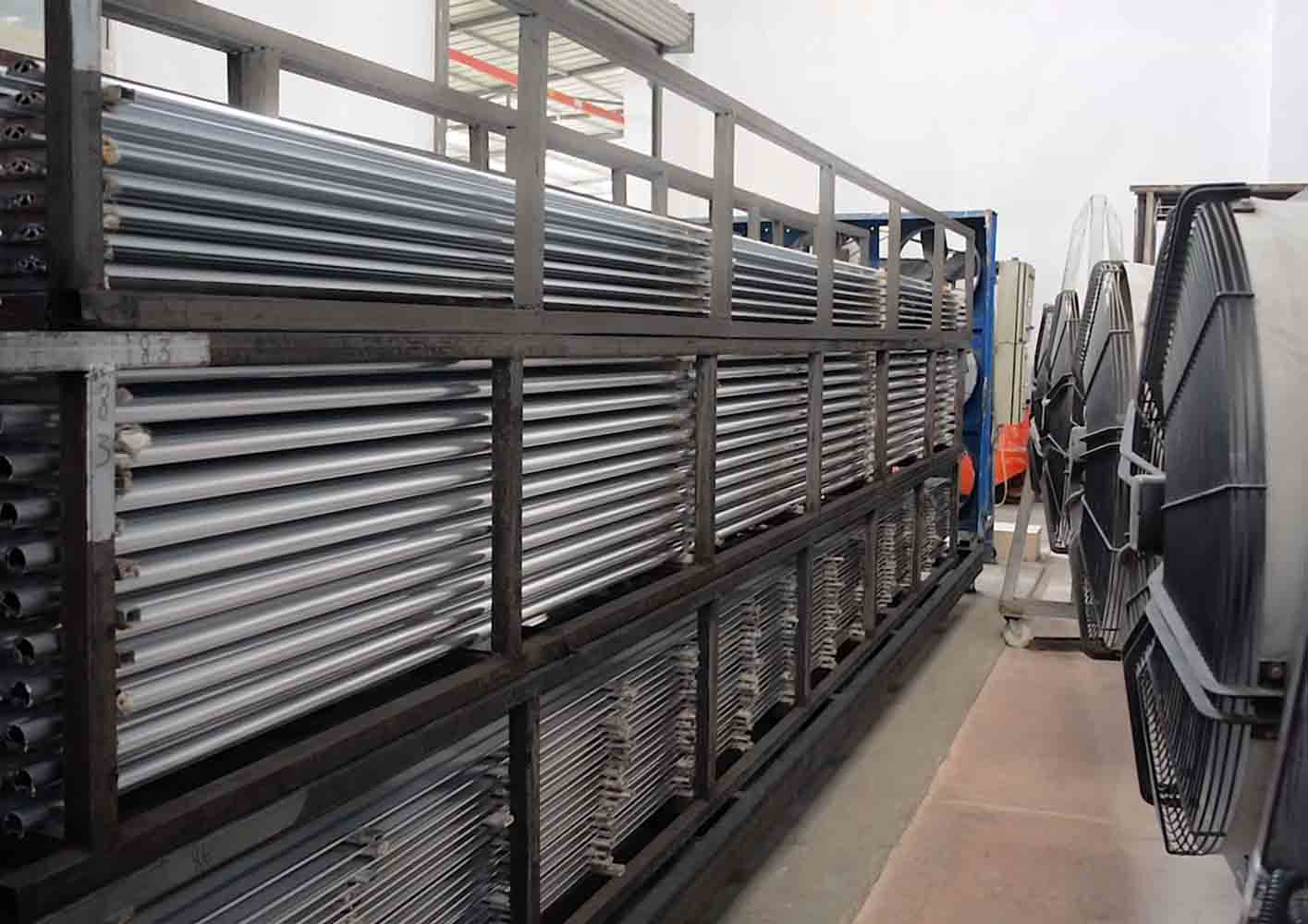
Following extrusion, aluminium profiles undergo a controlled heat treatment process in the aging furnace to achieve the required mechanical properties and hardness levels. The temperature and aging cycle are carefully adjusted according to the selected alloy and the intended application, ensuring the profiles reach their specified strength and performance. This process enhances the structural reliability, dimensional stability and long-term durability of the aluminium profiles, preparing them for subsequent machining, surface finishing, welding and assembly operations.
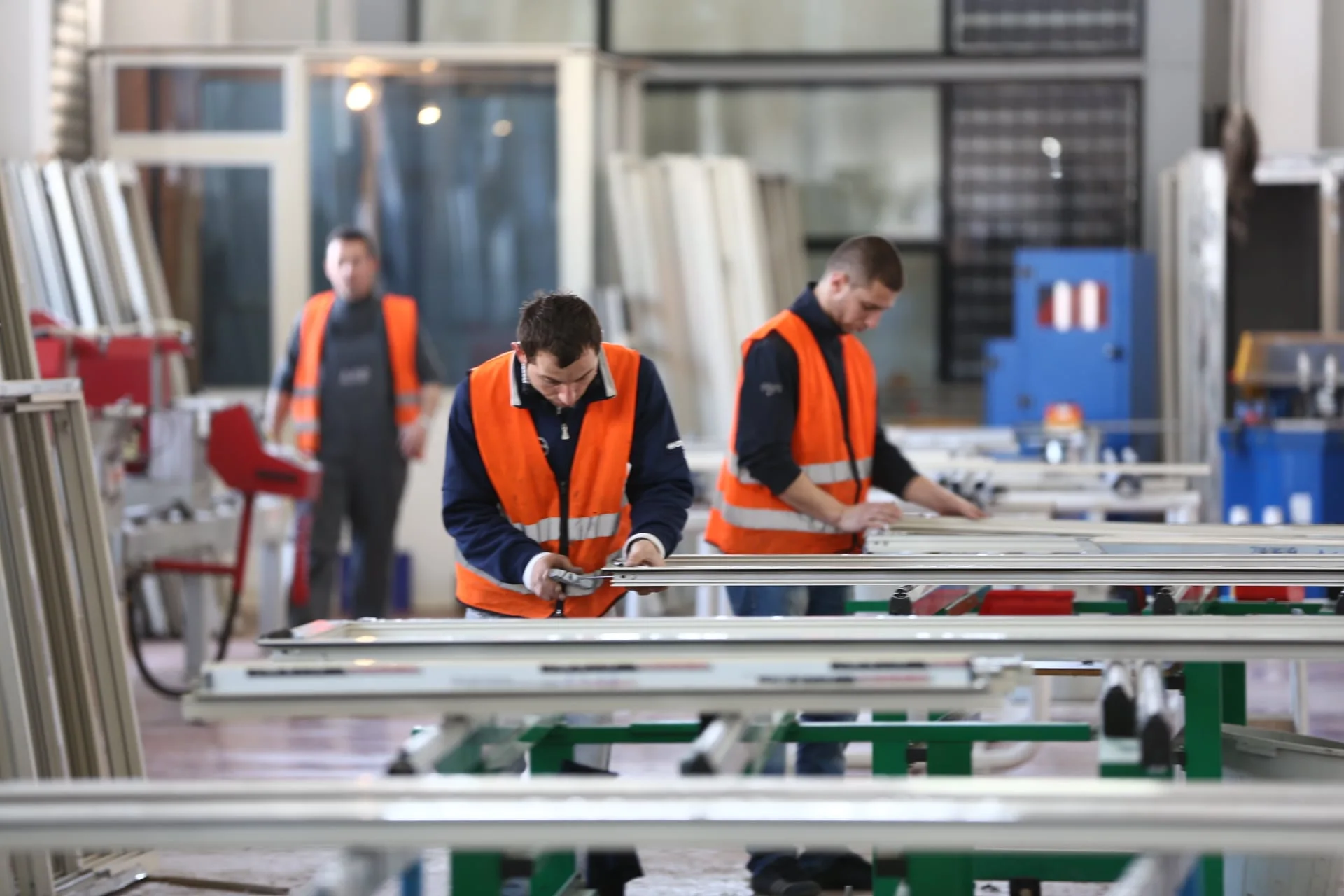
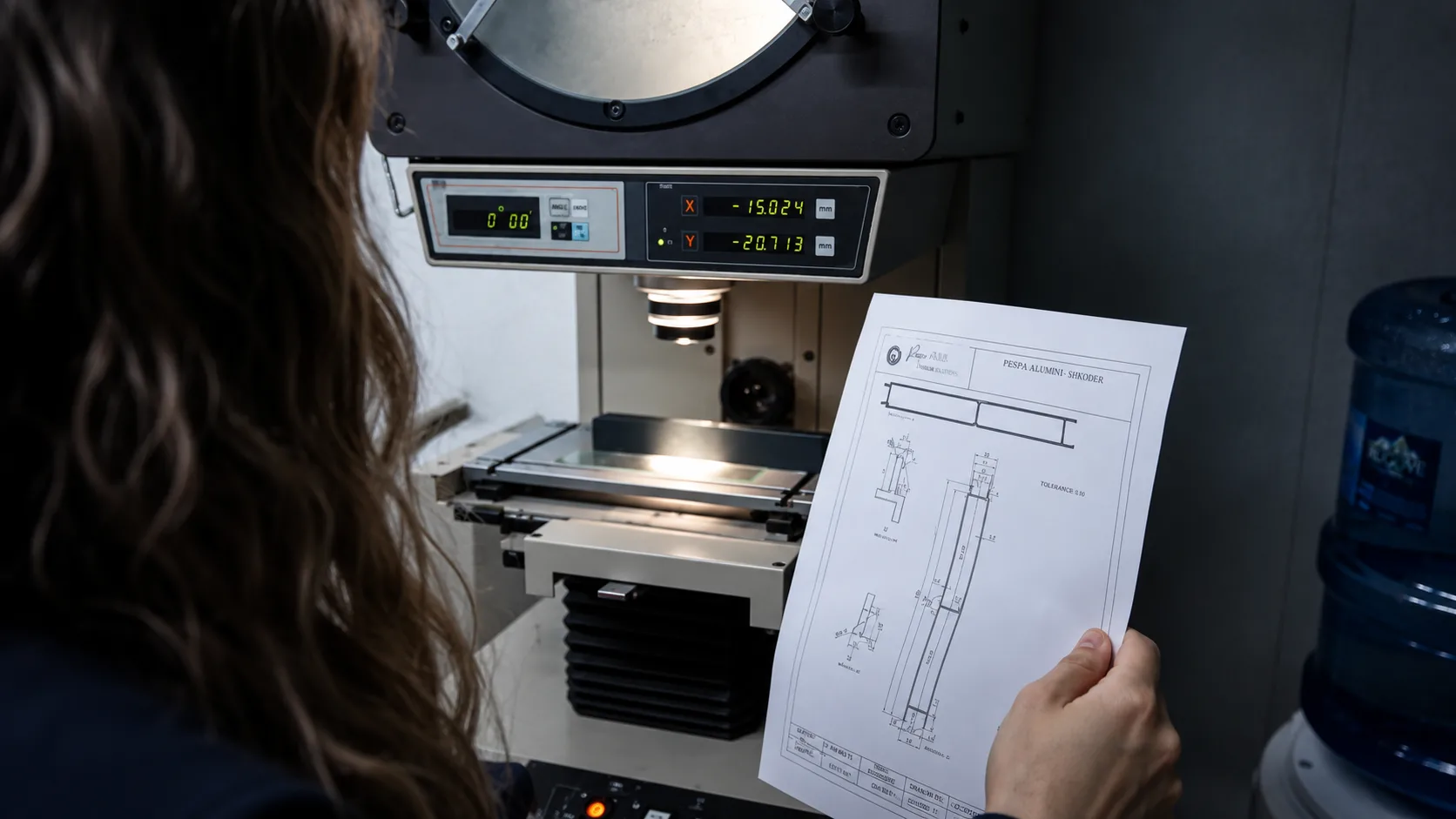
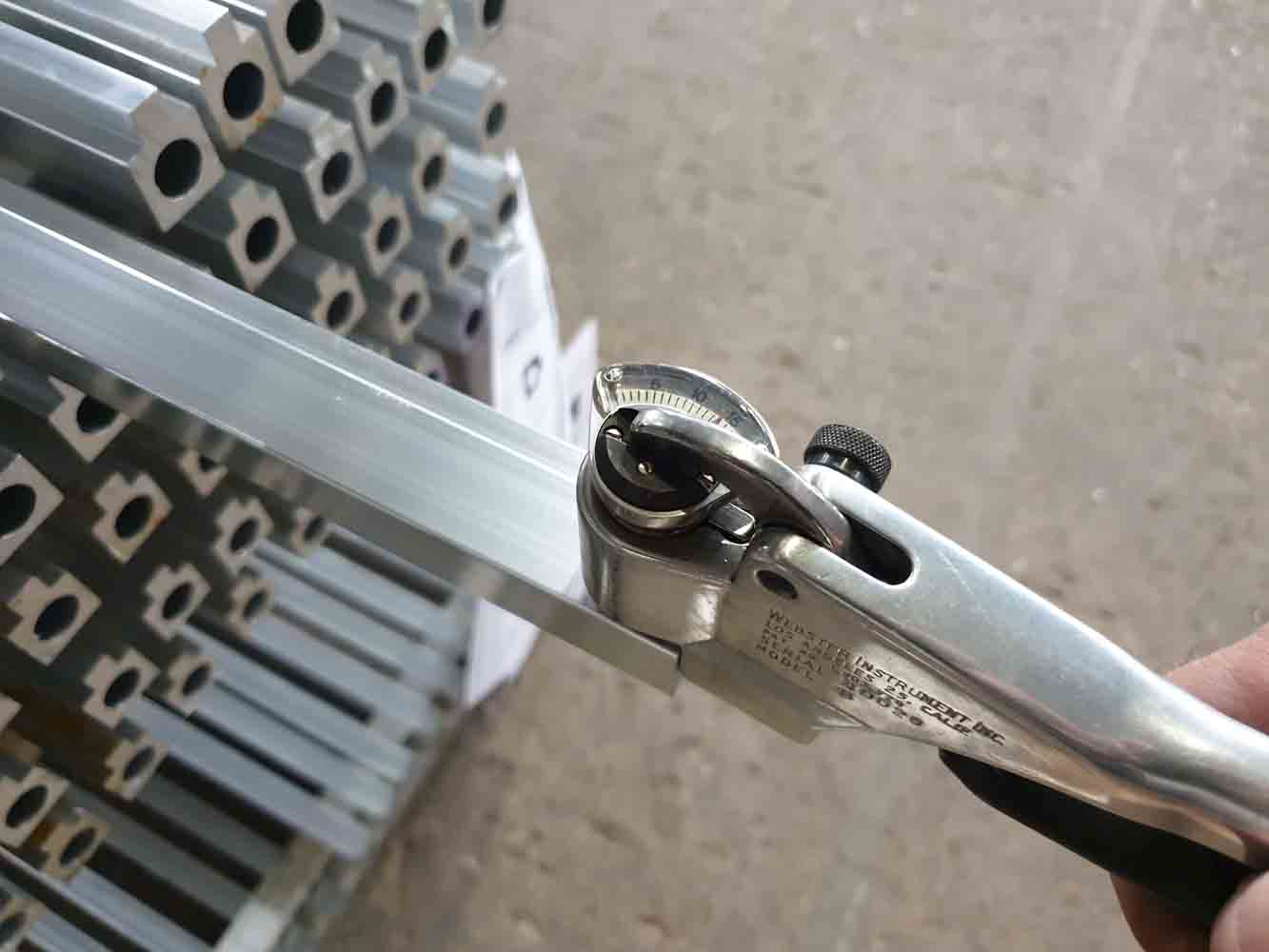
Quality control is integrated into every stage of the extrusion process. Dedicated inspection procedures verify dimensional accuracy, surface quality and compliance with project specifications before profiles proceed to machining, surface finishing, welding or assembly operations. This integrated approach ensures manufacturing consistency, full traceability and reliable performance throughout the production cycle. Where required by the application, production supports compliance with EN 15088 requirements for aluminium structures and components.